How to Choose a Pediatric Dentist

Don’t let choosing a dentist for your children be a stressful decision. Many parents may wonder if visiting a pediatric dentist over a general dentist who treats adults is really necessary. And yes, we may be partial, but keep reading to understand the reasons that bringing your child to a pediatric dentist like Dr. Forrester can provide major benefits to your child.


Specializing in Children

Dental school is not for the faint of heart. There are a lot of hours, of studying, practicing, tests, homework, and more involved. But did you know that pediatric dentists go through all of that and then MORE school? It true!

After four years of school to obtain a dental degree, pediatric dentists undergo two additional years of training. During this time, they become experts in treating infants, children, and adolescents. Pediatric dentists receive advanced training to learn about your child’s oral growth and development from birth through age 18.


Fun Environment 

Pediatric dentists are experienced and trained in understanding a child’s comfort level, communication, and interests. We want every dental experience to be a positive one to foster a lifetime of good oral health. We do all we can to make your child feel at ease and happy when they are in our care. Whether your kiddo never met a stranger or is a bit shy, our team and doctor understand how to talk to them to make them feel at home. We also have an office that is catered towards younger patients with bright colors and engaging elements.


The Best Choice is a Pediatric Dentist

While a general dentist is better than no dentist, choosing a provider that understands the unique needs of children is the best choice for your family. The extra years of pediatric training teach a pediatric dentist how to care for every single element of your child’s oral health and development. From baby teeth to wisdom teeth, we are experts! We know what to expect developmentally and how to monitor and prepare for the next milestones.


Lifelong Dental Health

A pediatric dentist can plan how to address your child’s needs in a way that prioritizes the long-term health of their smile with minimally invasive and safe treatment. Contact us today or get started with our new patient forms to get your child started on a lifelong journey of healthy teeth!
By Beau Odom November 17, 2025
Primary teeth are critical to helping your child learn to eat and speak, as well as aid in the development of the face. Each tooth maintains space on the dental arch, which guides the eruption of permanent teeth. Properly care for your child’s baby teeth with daily hygiene practices to eliminate toothaches, gum disease, and serious developmental and health problems.
By Beau Odom November 17, 2025
Cavities can occur more often in teens thanks to increased consumption of soft drinks and sports drinks available at school. These drinks are high in sugar and acid, which leads to decay. Have your teen switch to flavored or plain water instead.
By Beau Odom November 17, 2025
Not necessarily, but you should let us know at your next appointment so we can discuss the possible causes. The enamel of your child’s primary teeth is not as thick as the permanent teeth will be. However, some children can develop softer enamel, so be sure to let us know.
By Beau Odom November 17, 2025
At Groovy Smiles Pediatric Dentistry, we offer topical and local anesthesia, nitrous oxide, oral conscious sedation and general anesthesia. We can discuss the best approach for your child before treatment begins.
By Beau Odom November 17, 2025
Dental health is in the news again, which makes it important to know that your information is coming from trusted and reputable sources to ensure your child’s dental and overall health are properly addressed. As parents, we want our children to grow up healthy and have good oral hygiene habits, yet experts say dental health in children in the United Sates is not where it should be (Relevant, 2015). The American Academy of Pediatric Dentistry’s 2007 report states that cavities in children ages 2 to 5 increased from 24% to 28%, and that those who have not visited a dentist in the last 12 months are more likely to have cavities on their primary (or baby) teeth than those who visit the dentist regularly. Primary teeth are important for early childhood development. Cavities in young children can negatively affect speech and the ability to eat a well-balanced diet, cause sleep deprivation, and interfere with learning and overall quality of life. So where are we going wrong as parents? 1. Putting your child to bed with a bottle or sippy cup Try to get in a routine of bottle, brush, and then bed. If nighttime feedings are still necessary, wipe out your child’s mouth afterwards. Constant exposure to sugar feeds the cavity-causing bacteria. 2. Not making your child’s first dental appointment early enough You should make your child’s first appointment when the first tooth erupts or no later than your child’s first birthday. As a pediatric practice, we are more concerned at this age about educating parents on proper oral hygiene and diet. Make your appointment so that you can learn how to prepare your child for a lifetime of healthy teeth. 3. Allowing your kids to brush their teeth too young Before children have the fine motor skills or ability to understand the importance of brushing their teeth, they should not be left to brush on their own. You should brush your child’s teeth until the age of 6. If you allow your children to brush their own teeth, you must follow up to make sure they cleaned all surfaces. 4. Not watching what your kids eat Today’s food is becoming more processed, and sugar is in almost every product. This constant bombardment of sugar causes your mouth to have a consistently acidic environment, which leads to cavities. Teach your child how to make good food choices and be wary of products high in sugar. 5. Fluoride-free toothpaste Many parents believe it’s bad to expose children to fluoride. However, when teeth first erupt, the enamel is still maturing, and fluoride can absorb into the enamel. This makes teeth stronger and less susceptible to cavities. 6. The “They are just baby teeth” mentality Primary teeth are VERY important for maintaining space for permanent teeth. Loosing baby teeth and not saving space will stop permanent teeth from erupting—an orthodontic nightmare. Primary teeth are also important for speech development, proper nutrition, and overall well being. Relevant, Julie. “7 Mistakes Parents Make with Their Kids’ Teeth.” FoxNews.com. February 8, 2015. http://www.foxnews.com/health/2015/02/08/7-mistakes-parents-make-with-their-kids-teeth/.
By Beau Odom November 17, 2025
Permanent teeth, or secondary teeth, are the adult teeth your child will have forever. Typically, permanent teeth begin to develop under the gums in utero and begin to erupt around age 6. Like primary teeth, the timing of when a child’s teeth will erupt varies from child to child. When the permanent teeth have erupted, your child will have up to 32 teeth, including 4 wisdom teeth. TYPICAL TIMELINE FOR TOOTH ERUPTION: Your child’s first permanent tooth will erupt around age 6-7. Their central and lateral incisors ( chisel-shaped teeth that are at the front of your mouth and are intended for cutting food) will come in around age 7-8. Their canine teeth (pointy teeth on both sides of your incisors (front teeth) on the top and bottom jaw.) will come in around age 9-12. All other permanent teeth will continue coming in until around age 12. After the 12 years, molars/2nd permanent molars erupt wisdom teeth can start to erupt around the age range of 17-21 years of age. FREQUENTLY ASKED QUESTIONS: What is the best time for Orthodontic Treatment? The AAO, American Association of Orthodontists , recommends every child see an orthodontic specialist no later than age 7. What happens if my child’s adult teeth are coming in behind their baby teeth? This happens when the permanent tooth forms behind the root of the baby tooth. Most of the time, the baby tooth will fall out eventually and the situation is resolved. With that said, every situation is different, so give us a call to talk about the best way to treat your child in this situation.
By Beau Odom November 17, 2025
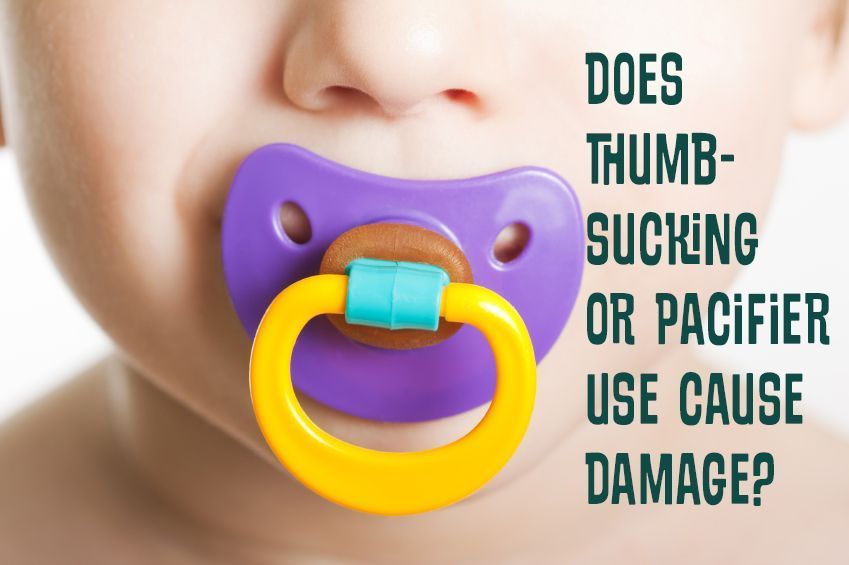
Pacifiers are a great way to comfort a baby and there American Academy of Pediatric Dentistry (AAPD) states that it is normal for babies but parents should start weaning their child off of the pacifier after age 2-3. The earlier you start weaning your child off of the pacifier the easier it will be. When your child no longer takes a pacifier, some children resort to sucking their thumb. This is a natural reaction because most children are looking for that comfort that they are used to. It is important to know that years of thumb sucking can cause crooked teeth or speech problems. Most children usually stop thumb-sucking naturally as they become more active and from peer pressure at school. With that said, if your child is still sucking their thumb out of habit or comfort, it is probably time to start encouraging them to break the habit. TIPS FOR WEANING OFF OF A PACIFIER: Start by just limiting time with the pacifier to times when they really need to be calmed down. If you start with this simple step, it’ll be much easier than immediately throwing away the pacifier for good. Create a “pacifier-free” time each day where they go without it. It can be just 30 minutes or it can be 1-2 hours. Try it out with your child and see what they can handle. It is best to make a routine out of this so your child knows when this is every day. We recommend setting a timer for this so they are able to know when their time is out without bugging you. Another great way to limit pacifier use is to encourage your toddler to take comfort in other items such as their favorite stuffed animal or blanket. Rewarding your child can always be an option too. Sometimes weaning them off of their pacifier is as easy as rewarding them with a new toy instead of their pacifier. TIPS FOR BREAKING THE THUMB-SUCKING HABIT: Thumb-sucking can turn into a really hard habit to break so it is very important to help encourage your child to break the habit sooner rather than later. If you wait too long to stop the thumb-sucking habit, it can lead to very expensive permanent damage in their mouth. Here are a few tips to help your child break the habit: Talk to them about why it is bad for them. Sometimes all a child needs are to be told why. It is important to bring this topic up in a positive way to help encourage them to give it up. We suggest bringing up the fact that thumb sucking spreads germs, can lead to extended orthodontic treatment, speech problems, their peers may start making fun of them, and more. Another great way to incentive your child to stop sucking their thumb would be to create a reward system. We know how much kids love a good reward. A great way is to start out rewarding your kid with a sticker/prize every hour they do not suck their thumb. After they get the hang of it, reward after every day. Once your child makes it two weeks without sucking their thumb, they have most likely broken the habit! Please keep in mind that pacifiers aren’t bad for your baby’s teeth, especially when they do not have all of their teeth in yet. Prolonged thumb-sucking and pacifier use will have permanent damage though. We would like you to encourage your child to stop early can save you thousands in treatment and help them have less health issues overall. If you have any questions or concerns, please give us a call at 501-764-3883.
By Beau Odom November 17, 2025
Nursing your baby to sleep or allowing your baby to sleep with a bottle can harm teeth. During sleep, the saliva production slows, which allows sugars to cover the teeth. This can cause more bacteria in the mouth and higher acid levels, which can lead to tooth decay. Clean your baby’s teeth using water and a soft brush or washcloth before sleep and after night feedings. Depending on your child’s risk factors for cavities, some children need a very small amount of fluoridated toothpaste, but Dr. Forrester will make that decision at the time of your visit. If your baby refuses to sleep without a bottle, plain water is best.
By Beau Odom November 17, 2025
The American Academy of Pediatric Dentistry (AAPD) and the American Association of Pediatrics (AAP) recommends that you take your child to the dentist when the first tooth erupts or by their first birthday, whichever comes first. Taking your child to the dentist early on will help them feel comfortable at the office and help them get to know their doctor. INFANT KNEE TO KNEE EXAMS Your child’s first visit is often referred to as a “Knee to Knee Exam”. These exams are a very simple way to make your child feel comfortable at Groovy Smiles. A big dental chair can be really scary for them! We typically do knee to knee exams with children under the age of two years old. During their knee to knee exam, the child will lay down on their parent’s lap on their back with their feet closest to you. Our doctor will be sitting across from the parent or caregiver so they are able to examine the child’s mouth. Since this is just a basic exam, they are very short and easy appointments. Knee to knee exams are a great way to introduce your child to the our GROOVY office. The child is still able to feel safe while the parent is holding them but they are able to get a feel for what a dental exam is like. We like to encourage parents to practice holding your child like you will during the exam so they are used to it. Please watch the video below to watch Dr. Forrester explain the process of a knee to knee exam.
By Beau Odom November 17, 2025
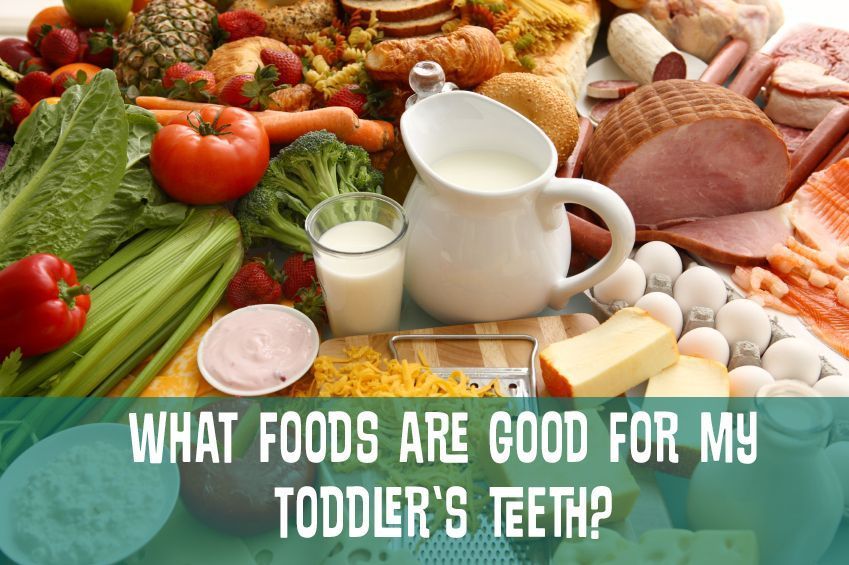
A good rule of thumb is if the food is good for the rest of your body, it’s probably good for your teeth, too. Foods rich in Vitamin D and calcium are important for promoting strong teeth and bones. Foods that are BAD for teeth include any foods high in acid or sticky foods, such as: Carbonated beverages Potato chips Candy Pretzels Juices and energy drinks
Show More